
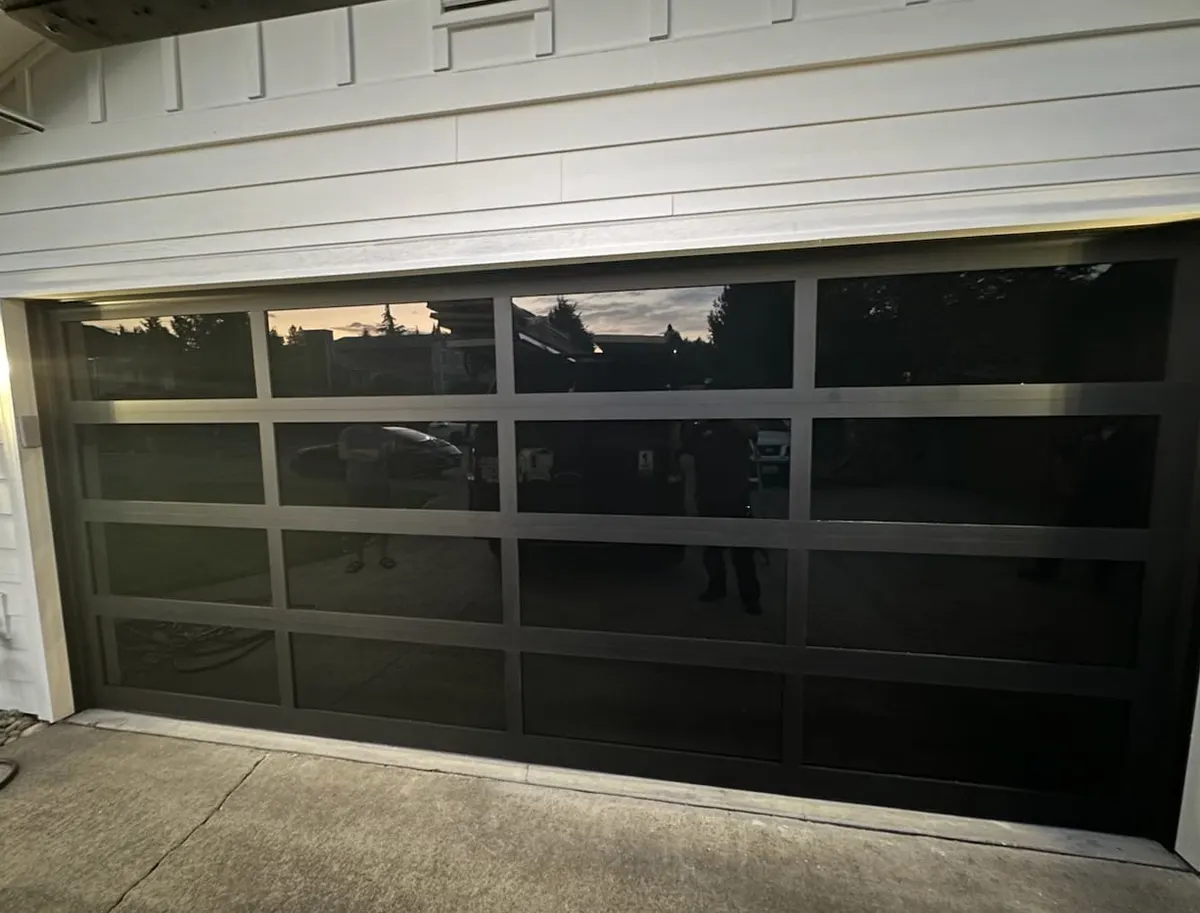
What a Technician Sees on This Call
It usually goes like this: one spouse has already picked out a door online, the other is holding a phone open to the HOA bylaws, and the technician is standing in the driveway trying to measure the opening while the argument happens around him. One person says, "It's just a garage door, we don't need permission for that." The other says, "The last time we painted the trim a different color, we got a letter." Both of them are a little bit right, and the confusion is completely normal, because HOA rules, city permits, and wind-load codes are three separate systems that happen to all apply to the same purchase.
Here's the plain-language version of how they actually work, so you can stop guessing and start comparing doors with the right information in hand.
HOA Approval Is About Looks, Not Structure
If your property is in a homeowners association, the HOA generally cares about appearance: door style, panel design, color, window inserts, and sometimes hardware like handles and hinges. This is a separate approval process from anything the city requires, and getting one does not automatically get you the other. A homeowner can have a perfectly code-compliant door that still violates the HOA's design guidelines because the color or window pattern doesn't match what's allowed for the neighborhood.
Practical steps:
- Pull the HOA's architectural guidelines before you fall in love with a specific door online.
- Submit the product spec sheet (not just a photo) if the HOA requires a formal review.
- Ask whether there's a pre-approved list of styles or colors — many associations keep one, which can save weeks.
If your home isn't in an HOA, this step doesn't apply at all, which is often the first thing that settles the argument.
City Permits Are About Structure and Safety
Separate from HOA cosmetics, many municipalities require a building permit when you're replacing a garage door, especially if the new door changes the structural opening, swaps out the header, or involves electrical work for a new opener. A straightforward like-for-like replacement sometimes qualifies for a simpler process than a full structural change — but "sometimes" is the key word, because requirements vary by city and even by the age of the home. The only reliable way to know what applies to your specific address is to check with your local building department before the old door comes off the hinges.
This is also where home age matters. Older homes in this area have sometimes gone through separate structural or seismic retrofit work over the years, and a garage door replacement can intersect with that history — particularly if the opening was reinforced or modified for earthquake bracing. A permit review is the mechanism that catches conflicts like that before they become a problem mid-install.
Wind-Load Codes: Why They're Not Optional Near the Coast
Wind-load rating is a structural spec, not a style choice, and it's the piece people most often skip when they're comparing doors purely on price or panel design. A garage door is one of the largest openings in the structural envelope of a house. In high-wind conditions, an under-rated door can flex, buckle, or blow in — and once that opening fails, wind pressure inside the garage can put stress on the roof structure too.
For homes along the coast, this matters for a specific reason: salt air accelerates corrosion on tracks, hinges, and fasteners, and coastal exposure means more direct wind-driven rain hitting the door face during winter storms. A door that's rated for a sheltered inland lot isn't necessarily rated for a coastal-facing opening. Manufacturers list wind-load ratings on the spec sheet, usually as a pressure value, and it's worth asking your installer to confirm that number matches your home's exposure rather than just matching the opening's dimensions.
What Happens If You Skip These Steps
- Skip HOA approval: you may be asked to repaint, swap panels, or in some cases remove and replace the door entirely at your own cost.
- Skip the permit: it can surface later during a home sale, when an inspector or buyer's agent flags unpermitted work, slowing down or complicating the transaction.
- Skip the wind-load check: the risk isn't paperwork, it's physical — the door underperforms exactly when you need it most, during a winter storm with sustained gusts.
A Simple Pre-Order Checklist
- Check HOA architectural guidelines for approved styles, colors, and window options.
- Call the local building department and ask directly whether your planned replacement needs a permit.
- Ask your installer for the wind-load rating on any door you're considering, and confirm it fits your home's coastal or inland exposure.
- Get the HOA and permit approvals in writing before the old door is removed, not after.
When to Call Encinitas Garage Door
If you're mid-argument about whether a permit or HOA form is actually required, that's a good moment to call us before you order anything. We handle Garage Door Installation across Encinitas and North County San Diego, and we can tell you what wind-load rating makes sense for your specific home and exposure, plus provide the spec sheets your HOA or building department will want to see. If the existing door is just acting up while you sort out the paperwork, our Garage Door Repair service can keep it functioning safely in the meantime.
Call Encinitas Garage Door today to get your questions answered and your replacement done right the first time — no guesswork, no do-overs.